Clear arrival times
We keep you posted on when to expect us.
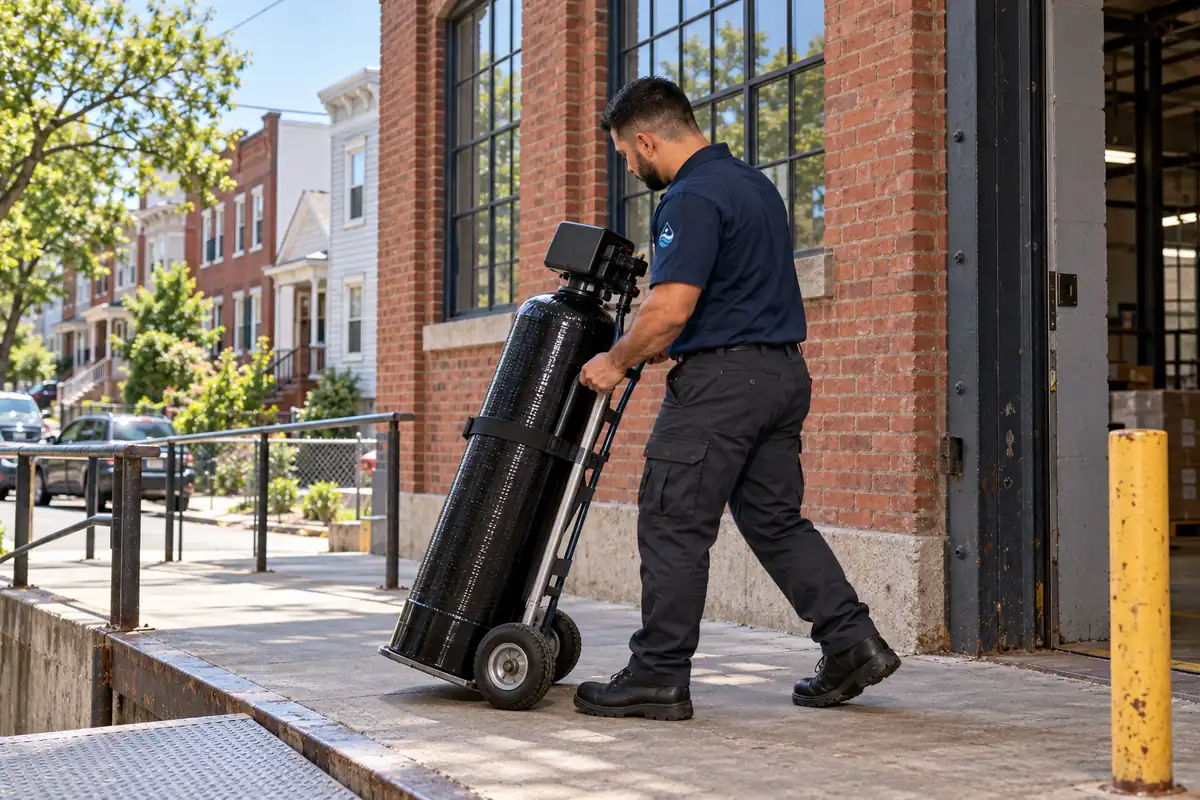
Call Kearny Water Softener Pros for installation, replacement or repair in Kearny Point, Kearny, NJ. We answer 24/7 for homes and businesses. Tell us if spots keep coming back after cleaning, if the unit has stopped using salt or if water is pooling by a tank. Your technician checks the system and explains the price before you authorize work.
We keep you posted on when to expect us.
Review the approach and price before deciding.
Equipped vehicles and respectful cleanup.
Neighbors helping neighbors, from the first call to the final check.
The right setup for a home near the waterfront may differ from what an office or warehouse needs. A technician looks at how much water the property uses at its busiest, how hard it is at the tap and where the softener could connect to the supply. If a unit is already in place, tell us what it serves and when the water started feeling different. A change at one sink calls for different checks than scale building up across the property.
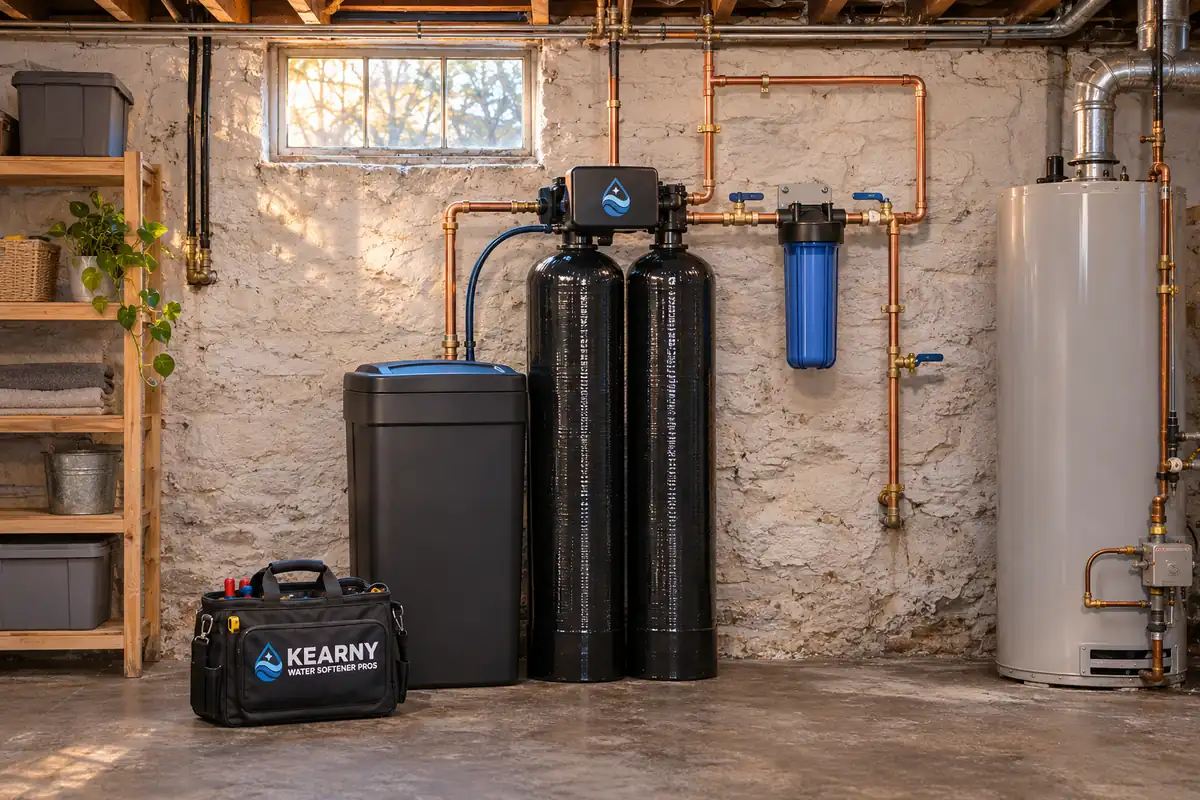
Call with a symptom or a plan for a new system. An installation starts with a look at your water use and available space. A repair starts with what changed at the tap, tank or drain. The technician talks you through the findings before you approve the job.
The installer checks room for the tanks and access to the water line, drain and power. Hardness and the property's water use help determine how much capacity you need.
View service →02When repeated problems make replacement worth considering, the technician checks which connections can stay in use. A new tank, different controls or changes to the piping can affect the scope.
View service →03If the display goes blank or the unit keeps running, describe what you saw when it started. The technician checks the controls, drain flow and connections to narrow down the fault.
View service →04The beads inside a softener capture the minerals that leave white scale. If the water stays hard after a normal recharge, the technician checks whether the beads are still doing their job.
View service →05Sludge or loose grit can collect where the salt dissolves. The technician can empty and clean the salt tank, then check whether it draws salt water during a cycle.
View service →06If the tank needs refilling more often than usual, the technician compares the settings with the hardness reading and actual demand before adjusting the salt dose or recharge schedule.
View service →07A hardness check on each side of the softener shows how much hardness is getting through. Mention stains or particles too, since these symptoms may need separate tests.
View service →08Tell us if you notice grit at several taps or an off taste at the kitchen sink. Where the problem shows up helps determine what to test and whether a filter should serve one tap or the main line.
View service →09A whole-house system can soften water for showers, laundry and other fixtures. The installer can walk you through which faucets it would serve and whether outdoor taps can stay on untreated water.
View service →Start with a phone call. Tell us what the equipment serves and whether you have an active leak, hard water or a unit that keeps cycling. For service in a shared Kearny Point building, mention who has the utility room key. At the visit, the technician looks at the setup, checks the symptom and walks you through what the work would involve.
Tell the technician when the building uses the most water and what fixtures or equipment run at the same time. For commercial-grade systems, that helps determine whether the softener has enough flow and capacity to serve them together.
Compare a cold tap with a hot tap and note where the color or grit appears. The technician can check water entering the building and water at the affected fixture to see where the change begins.
A solid crust can hide a gap underneath, even when the tank looks full. The technician checks whether the salt is dissolving and whether the unit draws salt water when it recharges.
Point out the main shutoff, the drain and any tight doorway the equipment has to pass through. If work requires shutting off a shared line, let us know who needs notice before that happens.
Once the technician finds the problem, ask which parts can stay and what needs changing. The price depends on the parts, access and any changes to the water lines. You'll hear the price from the technician before any work starts.
Start by noticing what changed. A softener that suddenly runs longer than usual needs a different check from one that cycles as expected and still leaves white buildup on faucets.
A salt bridge is a hard layer that keeps the salt above the water in the tank. If the tank looks full and the salt level has stayed the same through several cycles, call and mention it. Leave the crust intact for the technician to inspect.
When the settings and salt draw look normal, a hardness test at the outlet can help show whether the beads are still softening the water. The technician can replace worn resin if the tank and controls are still usable.
Water that keeps flowing into the drain after a cycle can point to a valve that is stuck. Note any error on the display and when the flow began. If settings are the issue, ask about calibration and optimization services before replacing a part.
Water beside a tank can come from a fitting, the drain hose or the tank itself. Shut off the water feeding the unit if you can reach the valve safely, then call. Stay clear if the water has reached outlets or cords.
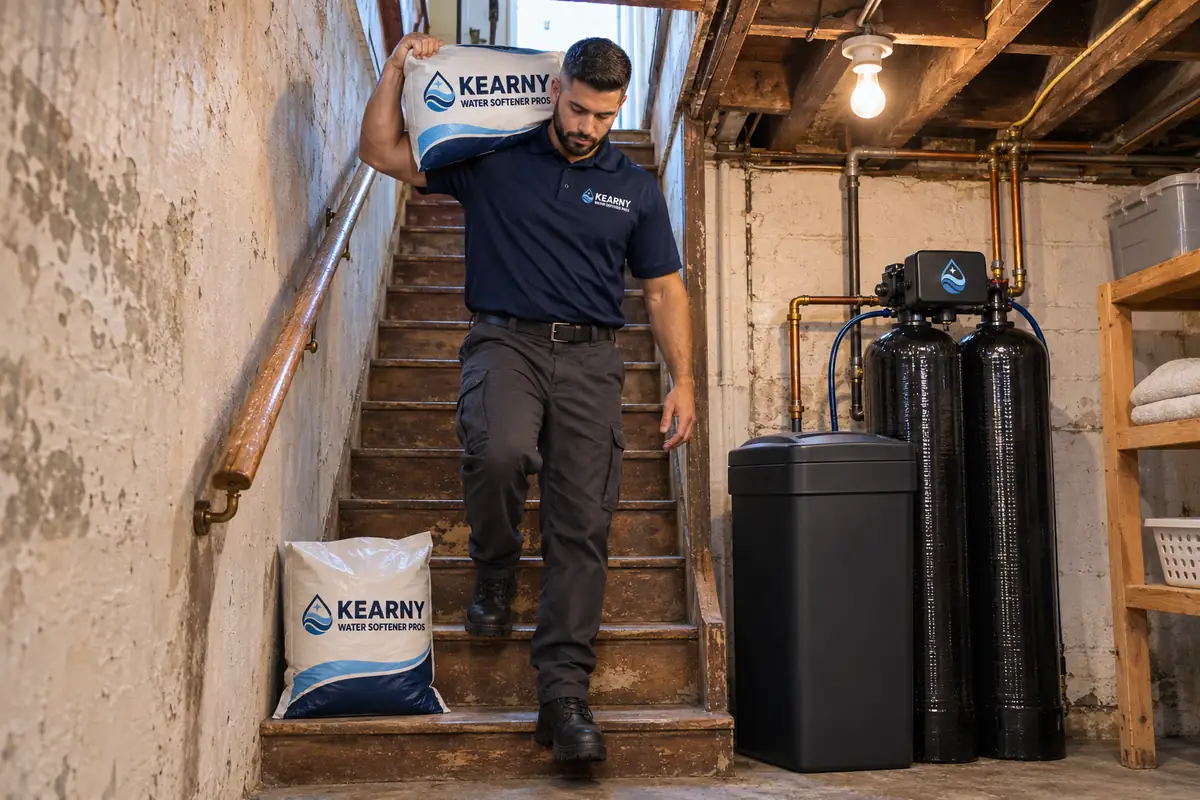
We take service calls for homes, offices, warehouses and other properties in and around Kearny Point. Call to confirm coverage and describe the equipment, where to enter and who can give the technician access to the water shutoff.
For an industrial facility, tell us which operations depend on softened water and whether there is a time when the water line can be taken out of service for inspection or repair.
If a waterfront property has reddish or dark staining, tell us where it appears. The technician can use a water sample to decide whether an iron and manganese removal system fits the problem. Mention any gate or check-in instructions on the call.
For offices and warehouses with shared equipment, let us know which suites or fixtures the unit serves. Access to the incoming line and room around the tank affect what can be done at the visit.
For a house near Kearny Point, call with any symptoms and the location of the current unit. If you're planning a first installation, let us know where the water line enters the house.
These are common reasons to call about a softener. Describe what you see and whether water is still running at the taps so the technician knows where to start checking.
If dishes look cloudy even though the softener has salt, the technician can compare water samples before and after the tank. The result helps decide whether to check the salt draw, settings or beads next.
If you find water under the softener or beside the water heater, shut off the supply to the leaking unit when it is safe to do so and call. Any detail you can see from a dry spot, such as a drip at the top of the tank, is helpful.
If multiple faucets lose flow, tell us which areas of the building are affected and when it happens. A technician can check whether the slowdown starts at the softener or elsewhere in the supply.
Use changes in household routines as a reminder to check the softener. Look at salt use, listen for unusual drain flow and watch for fresh scale where you clean sinks or shower doors.
During spring cleaning, look for new crust on faucets or chalky marks on a freshly washed glass. It helps to note whether they show up around the whole property.
If a busier summer means extra showers or laundry, take note of how quickly the salt level changes. It can help explain why the unit needs a refill sooner.
After fall schedule changes, check whether the softener runs during busy hours. Note the time and whether the display agrees with the clock in your home.
During winter checkups, look for damp spots around fittings and the floor around the tanks. A new drip is worth attention even if the water at the tap feels normal.
Call to confirm water softener service for a home or business in the nearby Kearny neighborhoods below.

Kearny Central is a short drive away and shares similar water hardness challenges with Kearny Point.
Local coverage and details
Lafayette is nearby, and its residents often call our team for water softener repair and emergency services.
Local coverage and details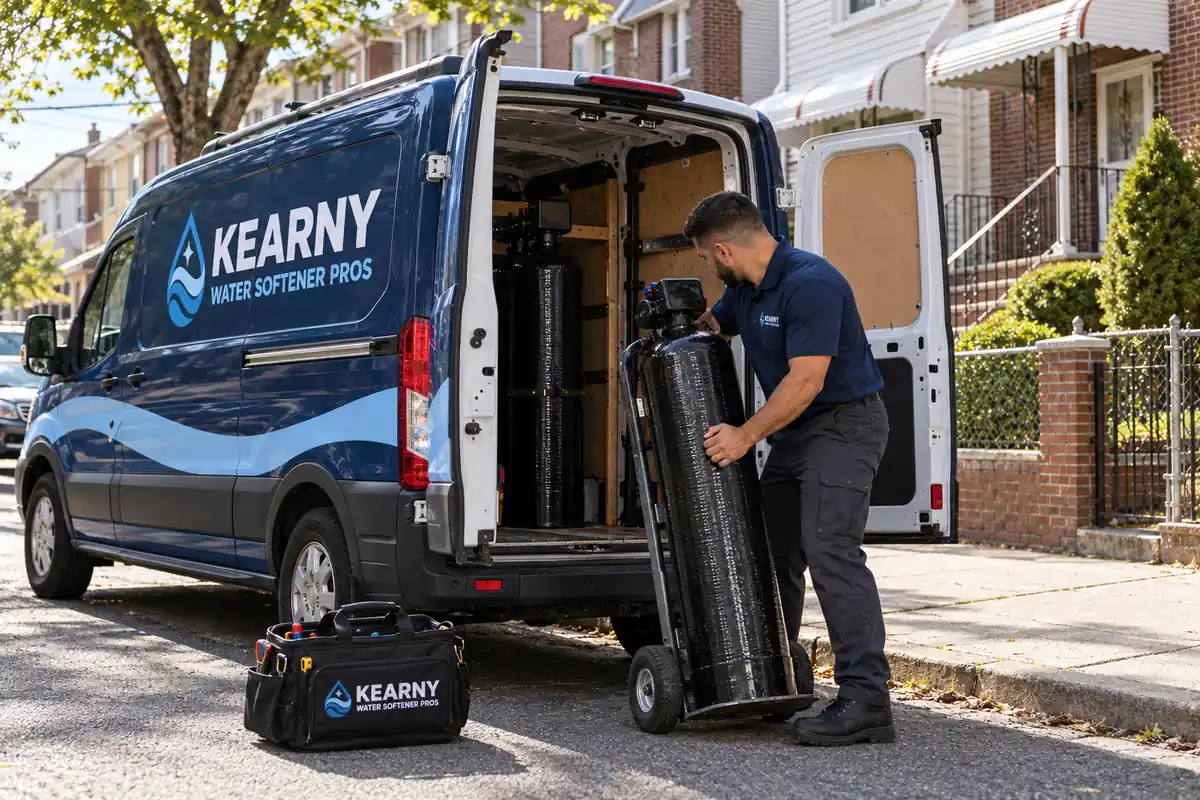
West Kearny's residential neighborhoods require regular water testing and whole house softening solutions, complementing our Kearny Point coverage.
Local coverage and details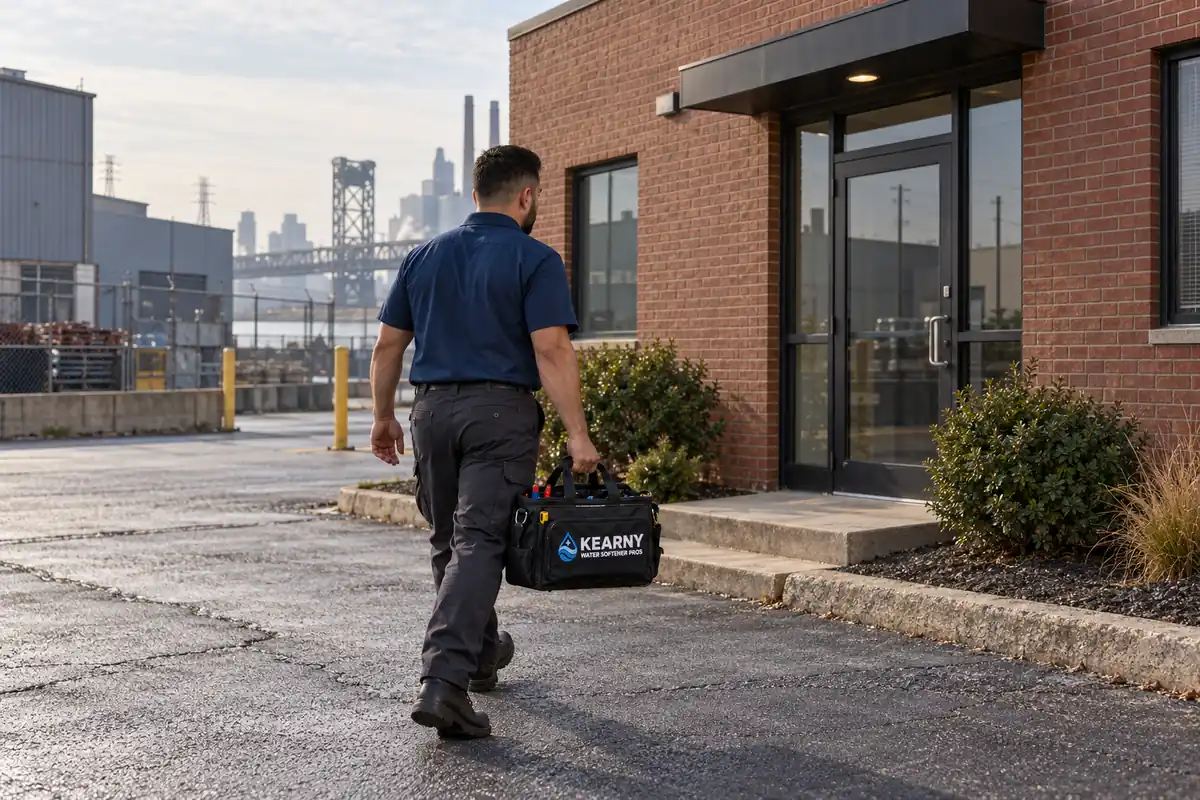
South Kearny's industrial zones have overlapping commercial water softener service needs with Kearny Point's shipping yards.
Local coverage and detailsDistances below are measured from the Kearny Point area of Kearny, so you can see how close our usual routes run to your street.
Riverfront Park is about 2.5 miles, a 5-minute drive. Audubon Park is about 2.7 miles, a 6-minute drive.
Newark Penn Station is about 3.6 miles, a 7-minute drive. Sports Illustrated Stadium is about 3.7 miles, a 9-minute drive.
Kearny Marsh is about 4.8 miles, a 9-minute drive. Saint Michael's Medical Center is about 4.9 miles, around 10 minutes by car.
Drive times are approximate and vary with traffic.
When you call about a Kearny Point property, ask what the technician will inspect, what could affect the price and how a shutoff would affect anyone else who uses the water.
Ask how to verify the contractor's license and insurance before scheduling work at your property.
We answer 24/7, including when a leak cannot wait. Close the water supply to the unit if you can safely reach the shutoff, then tell us on the call if water is still spreading.
Tank size, changes to the piping and taking out the existing unit can affect what you pay. Ask the technician to explain the price before starting any part of the installation.
Ask where the technician will take samples and how those readings will guide the choice of equipment. Tell them if you see the problem only at hot taps or only in one part of the property.
Know where the softener and shutoff are, who can let the technician in and whether tenants or staff need warning before the water goes off.
NSF International
Environmental Protection Agency
General liability coverage
Member
Member
Yes, our licensed technicians install softeners in Kearny Point homes and businesses. Call with the location of the water line and a rough idea of how many fixtures use it. If you already have a unit, tell us why you want to replace it.
We answer 24/7 for problems such as a leaking tank or water that keeps running into the drain. Call and say where the water is coming from and whether you were able to turn off the supply to the unit.
We install, clean and repair softeners, replace resin and test for hardness. We also handle filtration, iron and manganese removal and reverse osmosis. If you see stains or grit, describe which taps are affected so we can discuss which checks fit the problem.
Call and describe what changed at the taps, tank or drain. The technician checks the unit and explains the price before any work starts. Parts, access to the equipment and changes to the plumbing can affect the price.
If you can reach it safely, close the shutoff that feeds the leaking unit and call. If you can't isolate the unit and water keeps spreading, use the main water shutoff if it is safe to reach. Stay out of standing water near outlets, cords or electrical equipment.
Have a question about your setup? Call any time and tell us what you see, what the unit serves and whether there is a leak right now.
Call our local team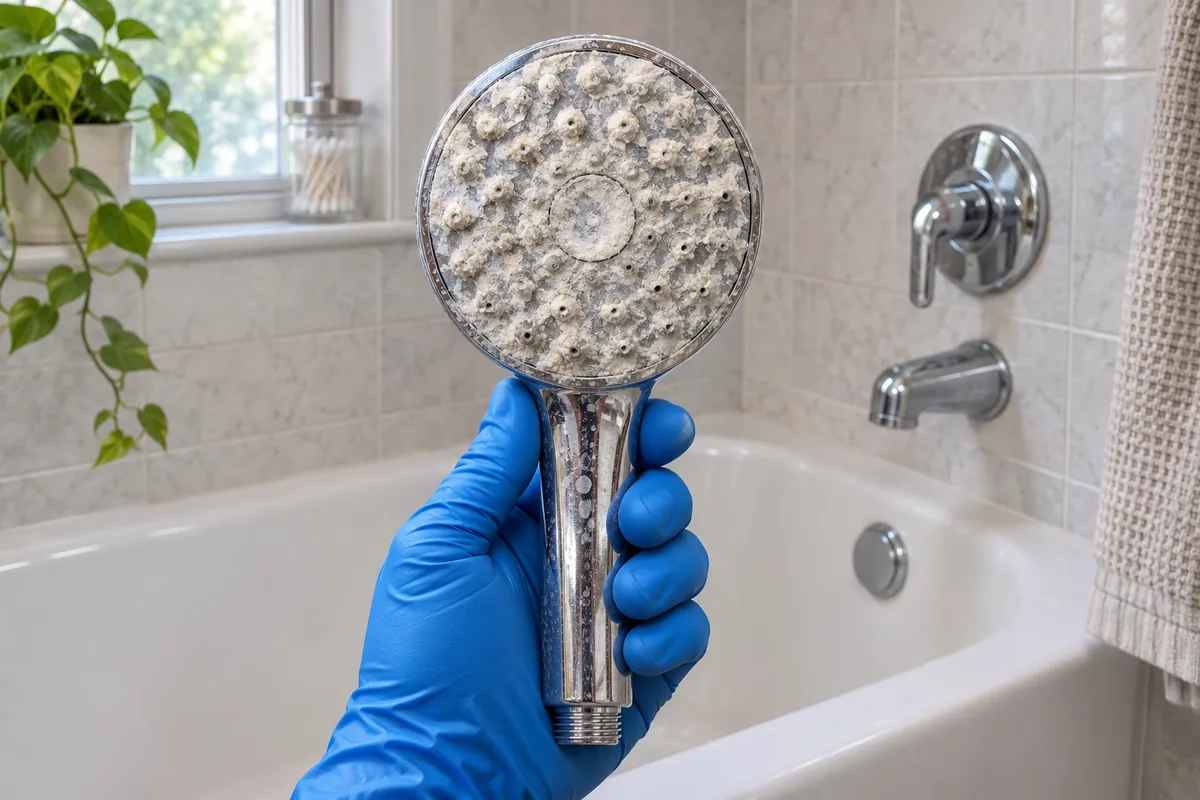
Call us about a first installation, a unit you want replaced or a softener that has stopped working. We answer 24/7 and can discuss what to have ready for the visit.
Share the details you already have on hand. If there is water on the floor, leave the area around the equipment alone and describe what you see from a dry spot.